When we think of comedic superstars — Tina Fey, Jim Carrey, Eugene Levy and the late Catherine O’Hara come to mind. As for improv shows — Toronto’s Second City, Calgary’s Loose Moose, Edmonton’s Rapid Fire in Edmonton, the Tightrope in London and various Fringe Festival shows have given laughs to audiences, the world over.
But, as Tina Fey, writes in Bossypants, improvisation can do so much more for you than teach you how to be funny on stage. “Many of us struggle daily with confidence and insecurities,” she explains. “Improvising can help you get you out of your own head and access deeper parts of yourself. In life, we are constantly editing ourselves and second-guessing our ideas in an attempt to be perfect. Improvisation dares us to trust our instincts and appreciate others and what they bring to the table.”
Adds Timothy Eckmier, the mastermind behind Pine Tree Players’ upcoming series on improv and the ringleader behind the former improv teams such as the Banff Theatre Collective, Bad Altitude, Collective Insanity and the Ridge Theatre Festival, “the list is endless. Improv is a great way to meet people in the Bow Valley and connect with members of the community you may never have met otherwise. It uses teamwork and friendly familiarity to create together, almost like a sports team would, but with the goal of having as much fun as possible and building trust and accountability with one another.
“Being able to let down your guard amongst friends is a great way to build connection,” explains Eckmier who has taught theatre and improv classes for more than a decade.
Improv can help build confidence and teach us not to be too perfectionistic or worried about appearances, or feel like everything has to be rehearsed. It encourages you to think on your feet, be in the moment, become a better listener, communicate more clearly, and become more comfortable with making mistakes and trying again.
“For some people, improv can also help with social anxiety and getting more comfortable in unfamiliar situations,” adds the actor and director behind many productions of Pine Tree Players. “While it isn’t therapy itself, many people find the experience therapeutic. They say laughter is the best medicine, and the opportunity to get together with friends once a week and laugh is priceless. It does good for the soul.”
Wanting to learn more about the three (and free) upcoming workshops, we had a chat with Eckmier.
Why improv and why now?
Canmore and Banff have both previously had community improv groups that gave locals an opportunity to get involved, including Mountain Improv Alliance in Canmore and Bad Altitude in Banff. When these groups fazed out a few years ago, it left a bit of a gap in the Bow Valley for people looking to be involved in improv.
Thanks to funding from the Town of Canmore Community Grants program, we saw an opportunity to bring improv back to the community in a new and accessible way. The workshops and drop-ins are designed to be free, welcoming, diverse and inclusive, giving people an easy way to try improv, meet others and become more involved in the local theatre community.
What is the history of improv?
Improv stems from early theatre games and exercises developed by Neva L. Boyd and Viola Spolin in Chicago beginning in the 1920s. These exercises then led into the early work of improvised theatre at the University of Chicago, where Paul Sills, Viola Spolin’s son, co-founded the Playwrights Theatre Club. Sills and David Shepherd later created the Compass Players in Chicago in 1955-1957. It was widely considered the first professional improvisational theatre in America.
Several members of Compass, and others influenced by its work, went on to create what would become The Second City in 1959. Second City grew to international fame and became an important training ground for generations of improvisers, actors and comedians.
The Improvisation Olympics were later spearheaded by David Shepherd and Howard Jerome in New York City in the early 1970s. Their concept made its way to Canada and helped inspire the Canadian Improv Games, which began in Ottawa in 1977 and eventually spread through high schools across Canada. Today, improv theatre is taught and performed all around the world.
What does it take to be good at Improv?
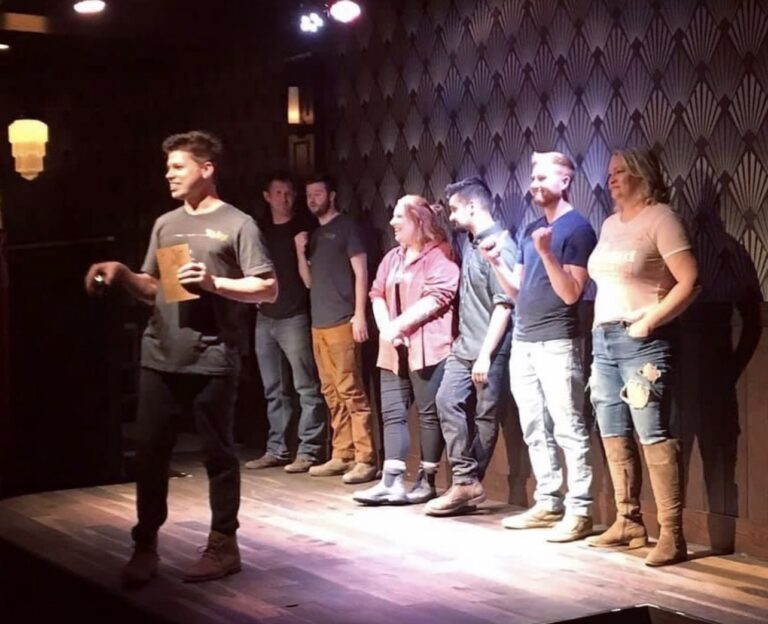
A sense of play. When we were kids, we would play and say “I’m an astronaut” or “I’m a duck” and then act it out with such conviction no one would second guess whether we believed it or not. Improv games and theatre sports bring back that sense of play and creative commitment that we so often lose in our lives as adults. A lot of people are absolutely terrified of improv at first, (myself included) I always was scared of not doing it well or not being funny, but the actual freedom of play is what someone needs to find. The more I’ve played and grown in my improv experience the more I’ve learned to enjoy it and not worry about what I look like doing it. We hope to create a fun and safe environment with this new improv group where we’re encouraged to commit to the fun and find ourselves in it.
Can anyone “do” improv?
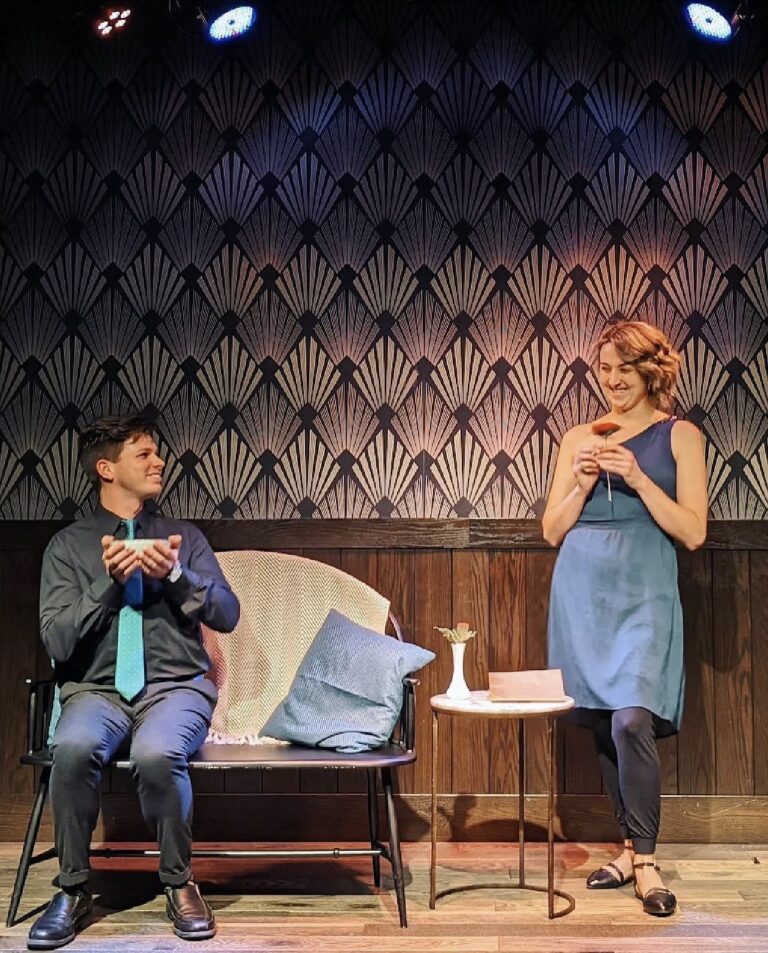
Improv can be taught to anyone, and I do believe that in the right setting anyone can complete a scene. The confidence to do it is what helps build the acting skills that are necessary to become better at improv. The confidence grows, and allows the talent to be developed. The goal is to find the scene, establish the who, what and where, and then the scene will naturally become funny for the audience. Oddly enough the goal is to not try too hard and just allow yourself to have fun while doing it.
What will people learn at these workshops?
The workshops will focus on teaching long form improv vs short form, also character creation through physical movement and voice work. They will also focus on show format and prepare the group for the optional performance at the end of the 12-14 weeks of drop-in classes and workshops,
What is the fee, structure and format of these workshops?
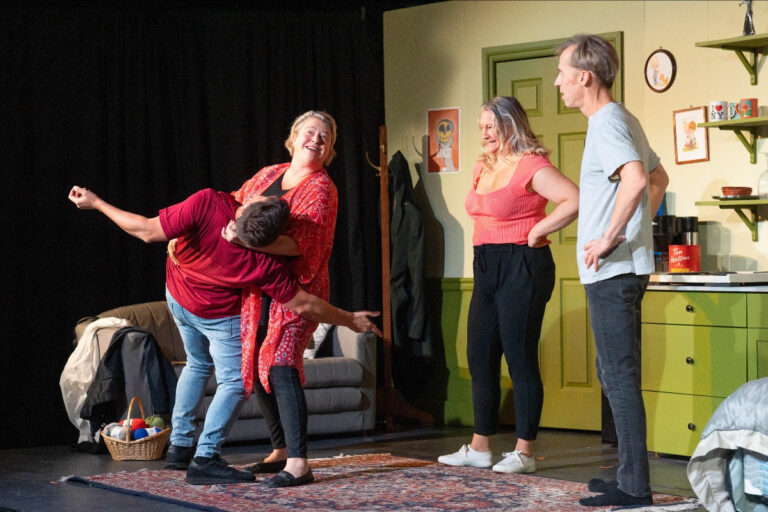
There will be no fees, which is why this is such a great option for new and also experienced improvisors and actors to take advantage of this opportunity. Classes and drop-in sessions like these can cost hundreds of dollars to attend. Through the Canmore Community Grant and Pine Tree Players establishing the program this is a great opportunity to try out improv.
Do you need to be a ham to be good at improv?
No. Improv is simply a great way to break the ice and connect with others. It encourages participants to listen, be in the moment, take chances and build confidence in a safe and fun environment. You don’t need previous acting experience to participate, which makes it a really approachable way for people to get involved.
Improv Drop-In
Every Wednesday starting Sept. 23 Elevation Place – Room 212Learn More
Deb Cummings
About the Author: Deb Cummings is a retired journalist (mostly) who is terrified to sit in the front row of any theatre for fear of being called up on stage. She does, however, have aspirations to be a doo- wop girl (although she can’t sing) and spends a surprising amount of time watching plays or reading books that normalize the mortifying experience of being human.